

Introduction to Fast Pyrolysis
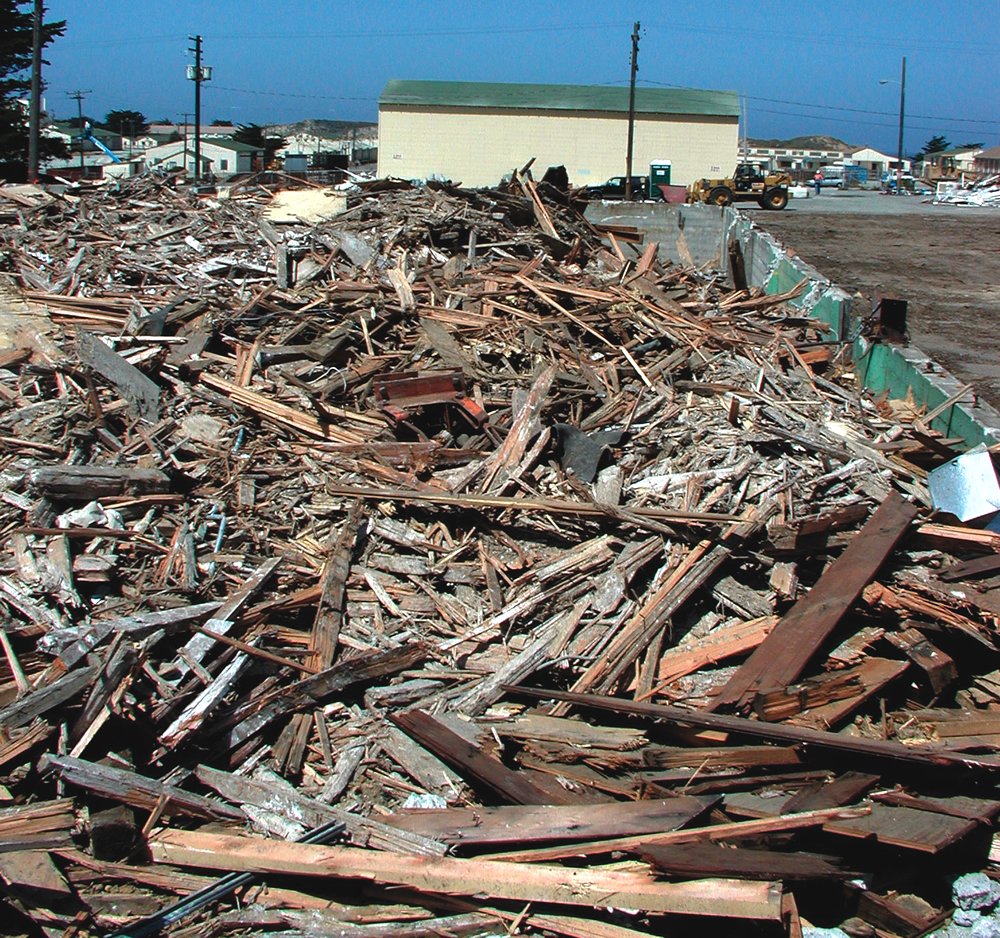
Fast pyrolysis technology is revolutionizing the way we approach biomass waste management. This innovative process rapidly heats organic material in the absence of oxygen, breaking it down into valuable byproducts such as biochar, bio-oil, and syngas. Biomass waste, which typically consists of agricultural residues, wood chips, and other organic materials, can be transformed into useful products, enhancing both environmental management and energy production.
Benefits of Converting Biomass Waste
One of the main advantages of utilizing fast pyrolysis technology is the effective conversion of biomass waste into biochar. Biochar, a stable and carbon-rich material, serves multiple purposes—from improving soil health to acting as a carbon sequestration method. By capturing and storing carbon in the form of biochar, we can reduce greenhouse gas emissions linked to traditional waste disposal methods. Furthermore, biochar aids in nutrient retention and water management when applied to soils, promoting agricultural sustainability.
Applications and Future Prospects
The applications of fast pyrolysis technology extend beyond biochar production. The bio-oil and syngas derived from the pyrolysis process can be utilized in energy generation, replacing fossil fuels and offering a renewable energy source. As research and development in this field advance, we can expect enhanced efficiencies and new pathways for utilizing biomass. The future of fast pyrolysis technology holds great promise, encouraging the circular economy and sustainable practices in waste management.
Precisely what I was looking for, thankyou for putting up.
You must participate in a contest for the most effective blogs on the web. I’ll suggest this site!
Glad I detected this on google .